


When something goes wrong in meat processing, the first question is always the same: where did this product come from, and where did it go?
The ability to answer that question quickly and accurately depends on more than software alone. It relies on integrated traceability hardware that captures data directly on the factory floor, linking every animal, batch and product to its production history in real time.
What is traceability hardware in meat processing?
Traceability hardware refers to the physical devices and equipment used to record, track and monitor products as they move through each step of processing. Unlike software alone, which analyses and reports data, traceability hardware captures production data directly at the point of activity.
Examples include scanners, touch screens, printers and dedicated traceability units that connect raw materials and finished products to their full production history in real time.
Why does traceability hardware matter in meat processing?
Meat processing is a complex, highly regulated environment. Every animal and every batch must be accounted for to meet UK and international food safety laws, manage recalls efficiently and assure consumers of product quality.
Integrated traceability hardware plays a critical role by:
- Ensuring accuracy – Automated capture of weights, IDs and batch data reduces human error and ensures every cut or packed product is recorded correctly.
- Boosting response times – In the event of contamination, audit queries or product recalls, accurate trace data allows processors to quickly pinpoint affected batches and take corrective action.
- Supporting regulatory compliance – Traceability is required under UK food safety regulations. Robust hardware systems make documentation accurate, consistent and audit-ready.
- Improving accountability – Every movement, process step and operator interaction can be logged and verified.
How does integrated traceability hardware improve food safety and recall management?
Integrated traceability hardware improves food safety by capturing production data in real time, allowing processors to quickly identify, isolate and trace affected products during contamination events, mislabelling issues or supplier concerns. This reduces recall scope, protects public health and minimises financial and reputational damage.
By automating data capture at critical control points, processors gain accurate batch-level visibility across the production line. This ensures every product movement is recorded instantly and reliably.
Without integrated traceability hardware, businesses often rely on manual entry or delayed system updates, which increases the risk of:
- Data entry errors
- Incomplete or missing trace records
- Slower recall response times
- Greater compliance risk
- Higher product waste
In a highly regulated industry like meat processing, these gaps can lead to wider recalls, audit failures and loss of customer trust.
Hellenic’s traceability hardware for meat processing
At Hellenic, we offer a range of purpose-built traceability hardware that integrates seamlessly with factory systems and MES platforms. Our solutions are designed for demanding food processing environments, helping manufacturers maintain reliable tracking across the entire production lifecycle.
Our traceability hardware options include:
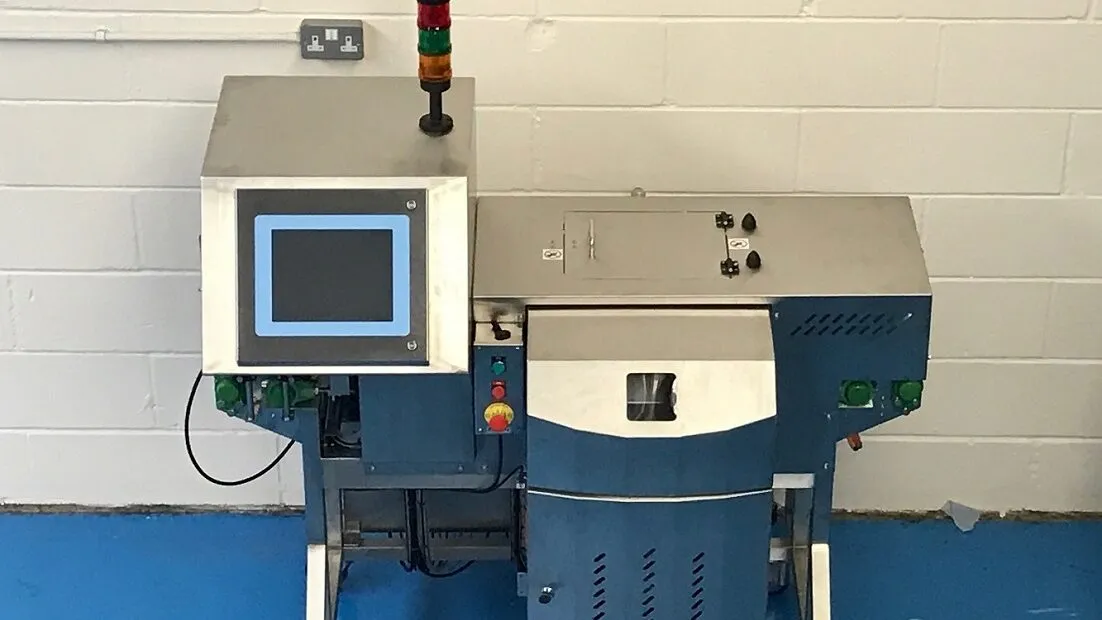
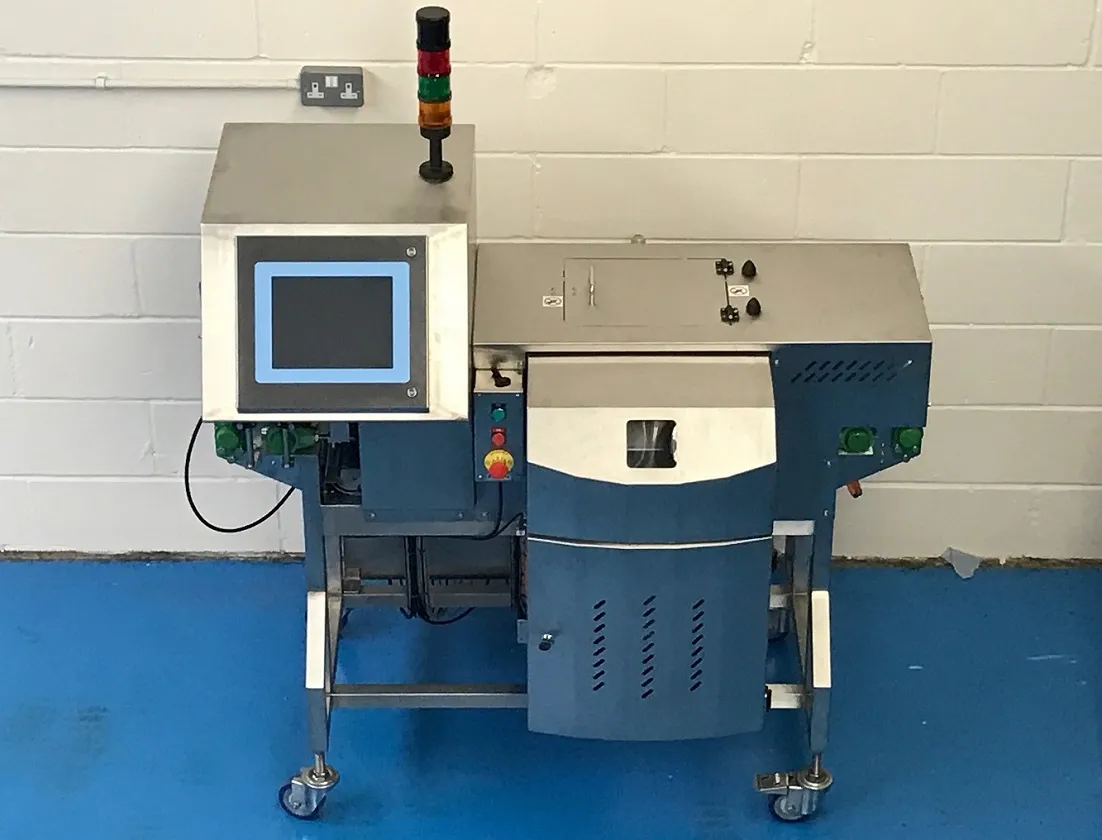
- The Hellenic ‘Black Box’ – A dedicated meat traceability system that collects production data in real time and links it to batch and line information.
- RF PDCU Scanners – Portable data capture units that log product IDs and trace data at key points along the line.
- Touch Screen Terminals and Printers – Operator-friendly interfaces and high-quality label printing to ensure trace data is visible, accurate and actionable.
Through accurate and automated data capture, this hardware works alongside software solutions to provide a single, reliable source of truth for traceability throughout the business.
Beyond compliance: the wider operational benefits of real-time traceability
Although compliance is a key driver for traceability, the broader value of integrated traceability hardware lies in the operational intelligence it provides.
Real-time production data improves visibility across processing lines, enabling informed decision-making and tighter operational control. By automating data capture at critical points, processors can significantly reduce the risk of mislabelling, incorrect product handling and unnecessary waste.
In an industry where transparency is increasingly important, effective traceability systems also strengthen customer confidence by clearly demonstrating product integrity across the supply chain.
Ready to strengthen your traceability strategy?
If improving your traceability capabilities is a priority, our team can help you build a robust, integrated system that combines purpose-built hardware with smart software and MES tools.
From scanners to real-time data capture, we support meat processors in meeting compliance requirements, enhancing food safety and improving production efficiency.
Chat to us today to explore how integrated traceability hardware can transform your meat processing operations.
Frequently asked questions
Is traceability hardware legally required in the UK?
While specific hardware is not legally mandated, UK food safety regulations require accurate record-keeping and product traceability. Integrated hardware systems make compliance more reliable, consistent and audit-ready.
What types of hardware are used in meat traceability systems?
Common traceability hardware includes barcode scanners, RFID readers, industrial printers, data capture units and touch screen terminals. These devices collect production data directly from the factory floor in real time.
How does integrated hardware differ from software-only traceability?
Software analyses and reports data, but integrated hardware captures production information directly at the point of activity. This reduces manual entry errors, improves accuracy and ensures real-time trace visibility across operations.