

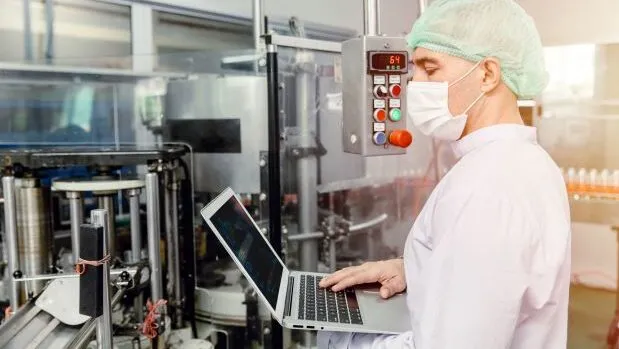


Spreadsheets are useful tools. For budgets, basic calculations and occasional analysis, they often do the job well. But the factory floor is a different environment.
Ingredients are used, batches progress, orders change and products move between departments throughout the day. When a spreadsheet relies on someone manually entering the latest figures, it can quickly fall behind what’s happening.
In live production, manual updates, disconnected records and limited process controls can make it difficult to maintain accurate, up-to-date information. And when decisions depend on knowing what’s happening right now, those gaps matter.
Here are five areas where spreadsheets can start to cause problems, and how a more connected approach can help…
1. Production moves faster than manual updates
Picture a busy production shift. An operator records a batch weight on paper, a supervisor updates a spreadsheet later, and the office uses that information to review progress. By then, the line has moved on.
The spreadsheet may accurately show what happened an hour ago, but it can’t reflect information that hasn’t been entered yet. That delay makes it harder to spot shortfalls, respond to changing priorities or see whether production is keeping pace.
Our MES software solutions help provide real-time production visibility. FOPS8 specifically brings orders, batching, labelling and performance information into one connected system, giving teams a clearer picture of what’s happening across their operation.
FORMIX users can also take this a step further with RITA, our AI-powered Reporting Intelligence & Trend Assistant. Built directly into FORMIX, RITA allows users to ask questions about their production data in plain English and quickly turn that information into useful insights, charts and reports.
2. Small input errors can create bigger problems
One mistyped batch number. A weight entered against the wrong product. A formula accidentally overwritten.
They’re small mistakes, but they’re easy to make when teams are balancing production demands with manual data entry. They can also be difficult to spot when, at first glance, the spreadsheet still looks perfectly normal.
One incorrect entry can have a knock-on effect:
- Stock figures become unreliable
- Production reports give a misleading picture
- Teams spend time checking and correcting records
- Batch information becomes harder to reconcile
More checks can reduce the risk, but they also add more work.
Reducing the amount of manual data entry can help tackle the problem at its source. Capturing information directly at the point of production means less reliance on figures being recorded in one place and entered into another later.
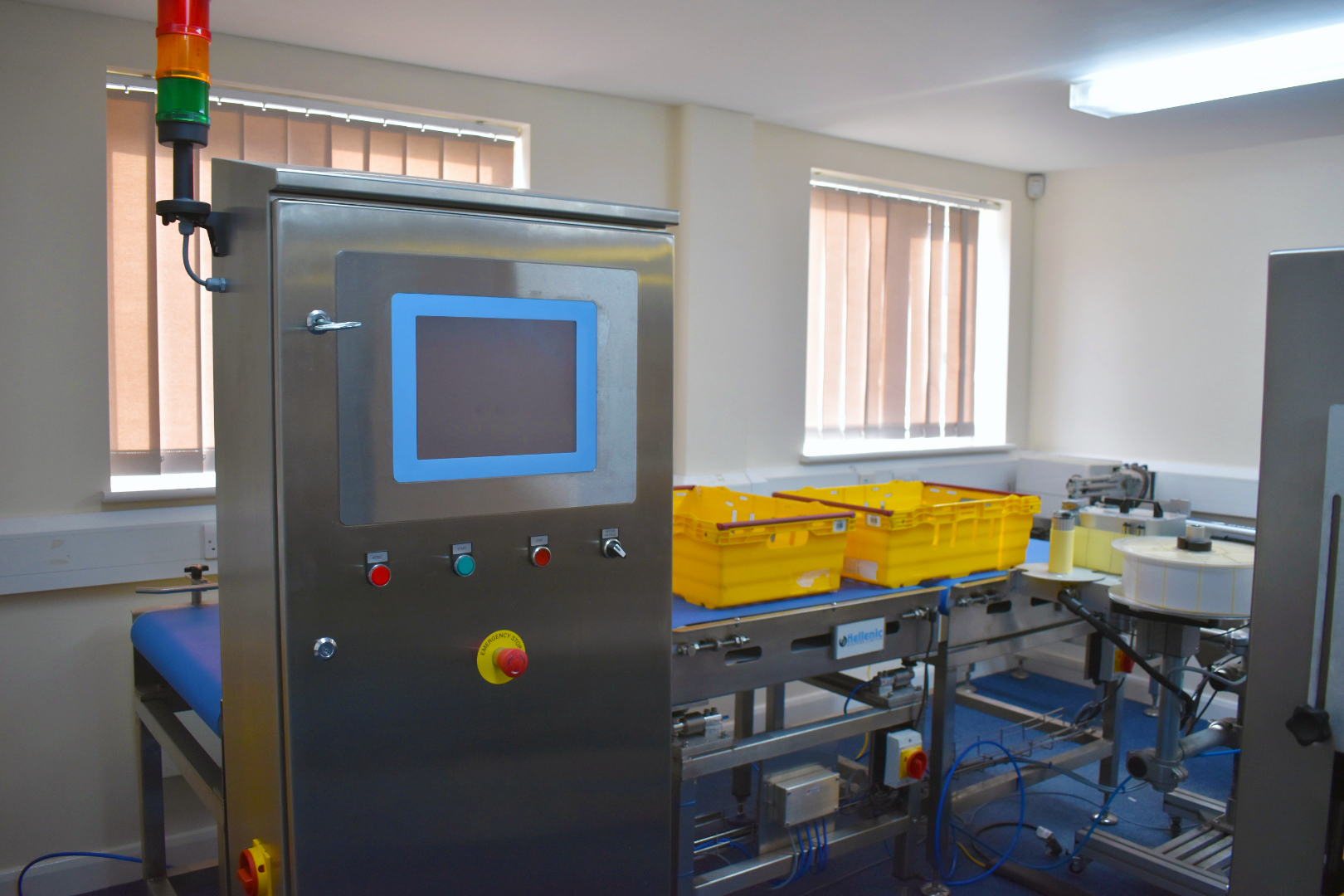
This is where production software and the right hardware can work together. Our manufacturing hardware range includes weigh scales, wireless scanners and touchscreen terminals, helping teams capture accurate data directly on the factory floor.
3. Different versions create different answers
Which file has the latest figures? The copy on the shared drive? The attachment emailed this morning? Or the version a supervisor currently has open?
Cloud-based spreadsheets make collaboration easier, but separate workbooks, exported copies and inconsistent update routines can still leave departments working from different information.
That becomes a problem when production, warehouse and office teams need to coordinate. One department thinks a batch is complete while another is still waiting for confirmation.
A connected MES creates a shared source of operational information across orders, production and traceability, helping teams spend less time comparing files, chasing updates and questioning which figures are correct.
4. Recording a process isn’t the same as controlling it
A spreadsheet can contain a recipe, target weight or production instructions. But displaying the right information doesn’t guarantee that the right process is followed.
An operator might use an outdated recipe, for example, or only record a deviation once a batch is complete. The spreadsheet records what happened, but it doesn’t help control the process as it happens.
In food manufacturing, where consistency relies on following the right instructions at the right time, that distinction matters. A more controlled approach can guide operators through each stage of production, helping ensure the correct recipes, weights and checks are followed when they’re needed.
Dedicated software such as FORMIX can support this by combining recipe management with greater control over day-to-day production, reducing reliance on manual instructions and records.
5. Traceability becomes a search exercise
When batch records, ingredient details and despatch information are spread across multiple spreadsheets, tracing a product can mean searching several files and manually matching references.
Missing entries or inconsistent naming can make this even harder, particularly when responding to a customer query or preparing for an audit.
Traceability is also an important part of meeting UK food industry requirements. Food businesses must keep records that allow products to be traced through the supply chain and make this information available when required.
A connected system brings production and traceability information together, making records easier to manage and access without relying on disconnected spreadsheets.
Give live production the systems it needs
Spreadsheets aren’t the problem in themselves. The problem comes when a tool designed for manually recording and analysing information becomes responsible for keeping up with a live production environment.
If your team spends more time updating spreadsheets, chasing figures and checking versions than using the information to make decisions, it may be time to review the process.
At Hellenic, we combine manufacturing software with robust production hardware to help food manufacturers improve visibility, accuracy and control. We work with you to understand how your operation works and identify a solution that fits your requirements.
Ready to move beyond spreadsheets? Contact our team to discuss your production challenges and discover how Hellenic’s connected MES solutions can give you greater visibility and control.