


A supplier calls to flag a batch of prawns you received yesterday. Some are still in cold storage. The rest have gone into two production runs, and one of those has already been dispatched.
How quickly can you work out what’s affected and who needs to know?
Digital traceability helps seafood processors respond quickly to a recall by linking supplier lots to finished products, stock locations and customer dispatches. With those records connected, your team can identify affected batches, isolate stock still on site and see which customers received it.
Follow the batch from intake to dispatch
A lot code is only useful if it stays linked to the product as it moves through your factory. In seafood processing, one delivery can be split across several lines or shifts.
Several lots can also end up in the same finished product, such as a seafood mix or a prepared meal. Your records need to show both.
Here’s what that can look like on the factory floor:
- At goods-in, record the supplier lot, receipt date and quantity. If you assign an internal batch code, link it to the original supplier lot so either code can start a trace.
- During production, scan ingredients as they’re issued and record which lots go into each run. For prepared seafood, link the run to the recipe version used so your team can check which specification applied.
- At packing, print batch details on packs or cases as appropriate. Linking labels to the production record helps operators use the right batch code when the line changes over.
- In the warehouse and at dispatch, scan cases or pallets as they move. Link dispatched batches to customer orders so your team can see where they went and what’s still on site.
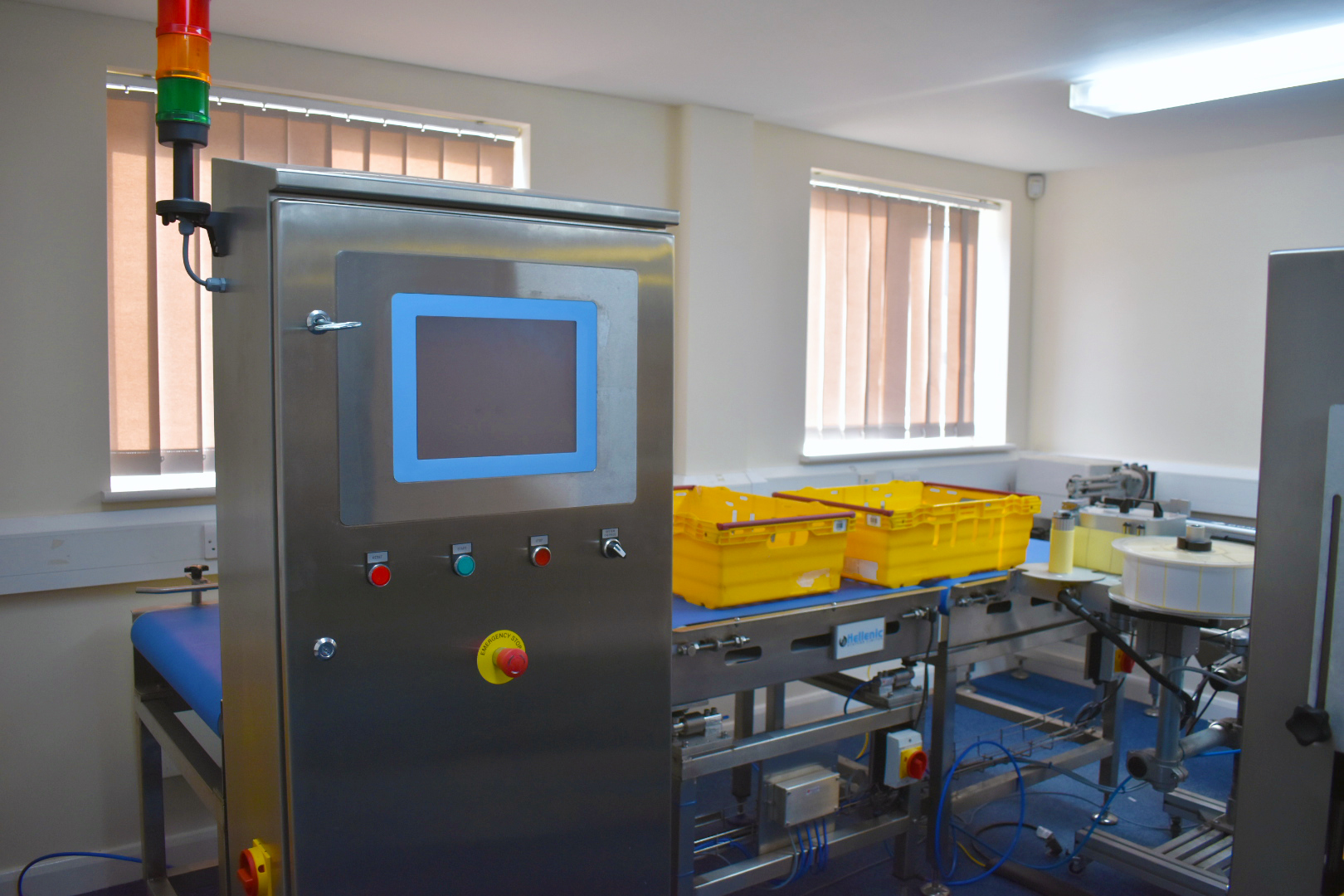
Connected scanners, scales and printers make it easier to capture that information as people work. A scanner records a stock movement as it happens, while an integrated scale can feed the measured weight directly into the production record.
That gives teams fewer figures to rekey when they’re trying to reconcile a batch under pressure.
Trace backwards and forwards to find what’s affected
Where you start depends on how the issue comes to light. If a supplier flags an incoming lot, trace forwards to find every production run it went into and every customer who received the affected output.
If a customer reports a problem with a finished pack, use its batch code to trace back to the production run and the ingredient lots used. That gives your team a starting point for checking whether other products could be affected.
Take a seafood processor that uses the same prawn lot in a chilled cocktail and a frozen seafood mix. A dispatch search for the chilled product alone would miss the frozen cases. Following the supplier lot through both runs gives the recall team a clearer picture of what to isolate and which customers to contact.
Put your digital traceability to the test
A mock recall shows how quickly your team can trace a batch and work out what’s affected.
Here’s how to run one…
- Choose a lot to trace: Pick one that went into several production runs or was dispatched to more than one customer.
- Give your team the lot code and start the clock: Ask them to identify the affected finished batches, locate any stock still on site and list the customer orders those batches went out on.
- Check that the quantities add up: Compare what came in with what’s still in stock and what went into production. Account for waste and processing losses, then check that the finished quantities tally with what’s on site and what went out.
- Investigate any gaps and run the test again: A missing quantity could point to a missed scan, a manual stock adjustment or a pallet that moved without its location being updated. Once you’ve fixed the issue, repeat the exercise to see whether your team can trace the batch more quickly.
For guidance on when to notify authorities and how to communicate with customers, see the Food Standards Agency’s guidance on traceability, withdrawals and recalls.
Build recall readiness with Hellenic
At Hellenic Systems, we help seafood processors connect the records their teams rely on when a batch is flagged.
As a manufacturing execution system (MES) partner for food manufacturers, we bring factory software and shop-floor hardware together around the way your site works. Whether you’re tracking chilled fillets or managing multiple ingredients in prepared seafood, we can help you capture batch data as it moves through production and retrieve it when you need it.
Talk to our team about digital traceability for your seafood processing site. Tell us where your batch records are hardest to pull together and we’ll show you how to connect them.Frequently asked questions
What is digital traceability in seafood processing?
It’s the use of linked digital records to track seafood and ingredients from goods-in through production, packing and dispatch. It shows where a batch came from, what it went into and where it went.
What is the difference between a seafood withdrawal and a recall?
A withdrawal removes unsafe product from the supply chain. A recall also alerts consumers who may already have bought it and tells them what to do.
What records do seafood processors need to trace an affected batch?
Start with supplier lot codes, production and finished batch records, stock locations, quantities and customer dispatch details. Keep those records linked so you can follow a batch in either direction.
How does digital traceability help seafood processors respond to a recall?
Digital traceability helps seafood processors quickly identify affected batches, locate stock still on site and see which customers received it. At Hellenic Systems, our hardware captures batch details and our software links them to production, stock and dispatch records.