


Choosing a manufacturing execution system (MES) is a big decision. Get it right, and it can help you improve traceability, streamline production and gain better control over what is happening across your operation.
However, choosing the right software is only part of the process. You also need an MES systems partner that understands your challenges, listens to your team and remains by your side long after implementation.
So, what should you look for? Here are seven important factors to consider…
1. Do they understand your industry?
Every manufacturing environment is different. For example, a food manufacturer managing allergens, recipes, use-by dates and retailer requirements will have very different priorities from a business producing non-food goods.
That’s why industry experience matters. Your MES systems partner should understand the everyday pressures your team faces and the processes the system needs to support.
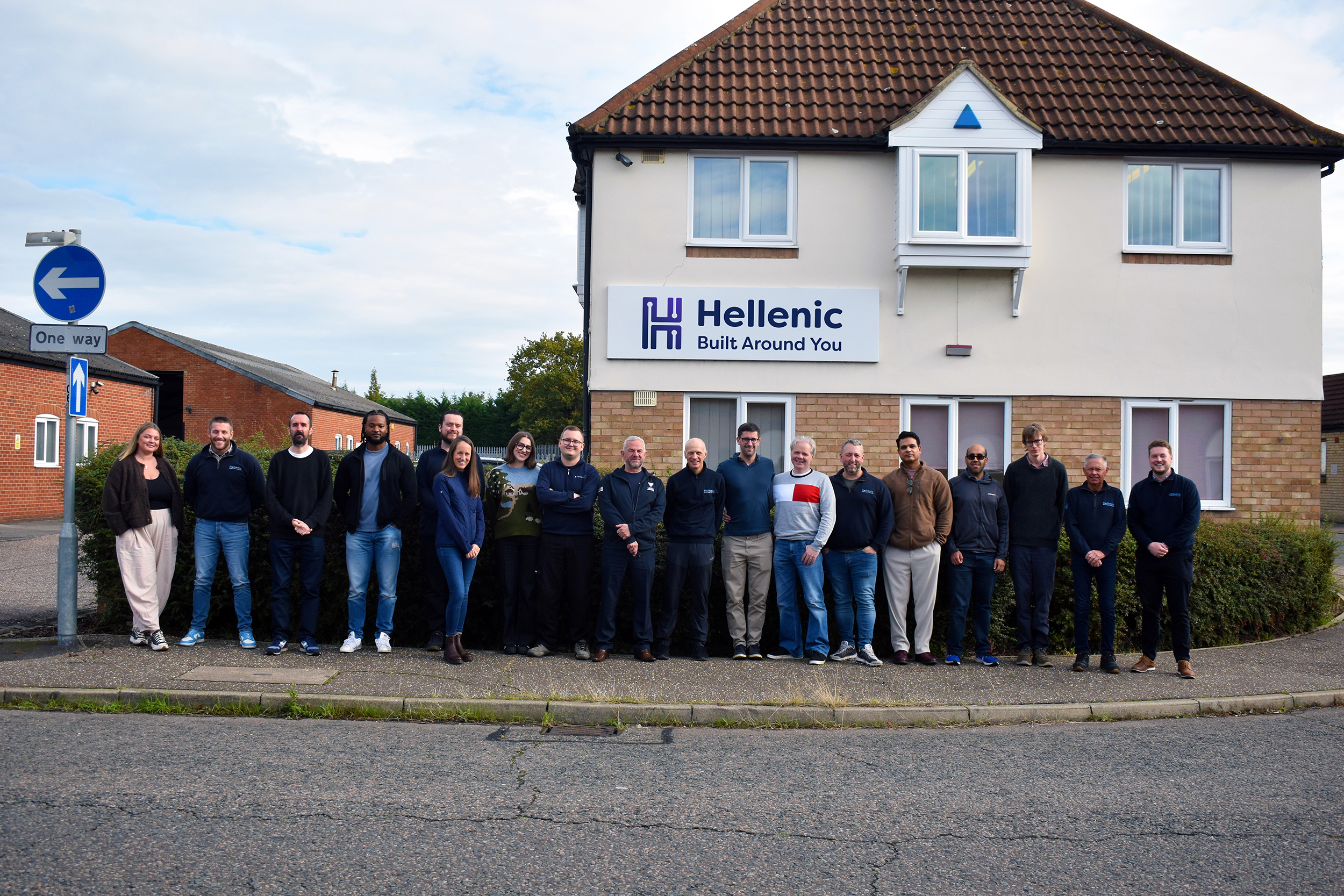
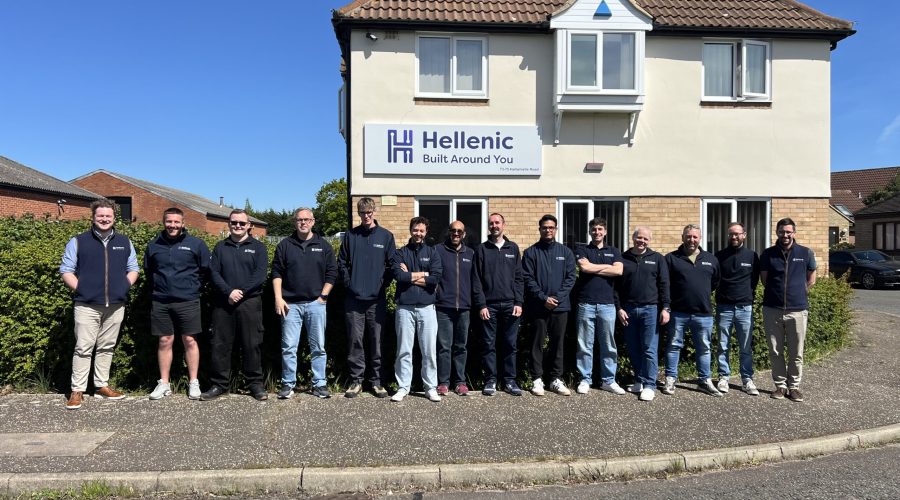
At Hellenic Systems, we’ve worked with food producers and other manufacturers since 1988. Today, our systems support more than 130 companies across the UK and Europe. This experience means we understand the realities of busy production environments, from factory-floor processes and stock movements to traceability and compliance.
2. Will the system fit the way you work?
No two factories operate in the same way. Although standard software provides a useful starting point, it may not cover every process, workflow or reporting requirement within your business.
A good MES systems partner will take the time to understand how your operation works. They should identify where the software can be configured and where something more tailored may be needed. You should not have to completely change effective processes simply to fit a rigid system.
Our manufacturing solutions are built around proven modules, but we also take a flexible approach. When a standard package doesn’t quite fit, we work with the customer to analyse their requirements and develop the right solution.
3. Can it connect with your wider operation?
An MES shouldn’t become another disconnected piece of software. It should help information flow between the factory floor and the other systems used across your business.
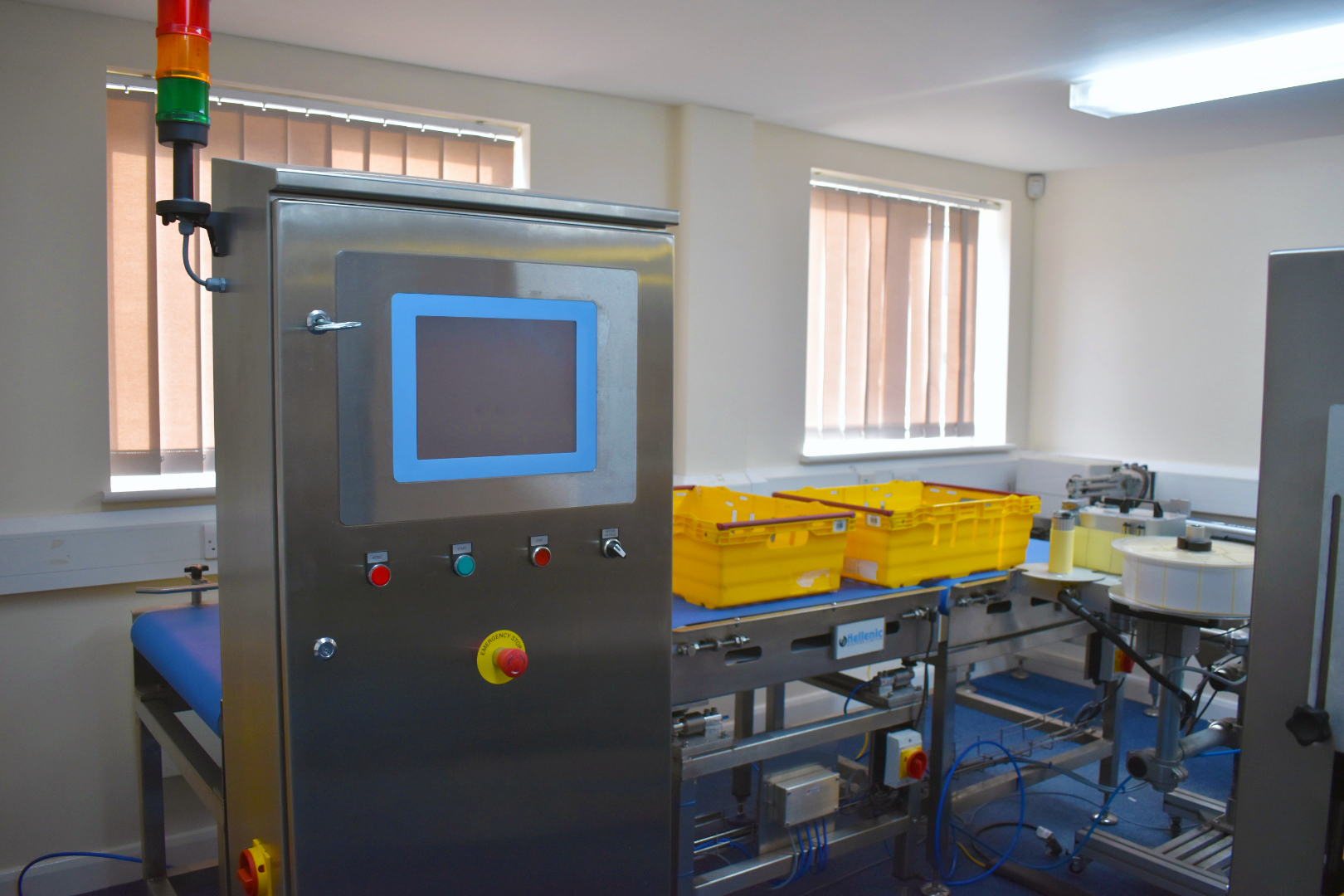
Ask how the software will work with your existing ERP, accounting, EDI, labelling and warehouse processes. It’s also important to consider any factory-floor hardware you may need, such as terminals, scanners, printers and scales.
Choosing an MES systems partner that can provide both software and compatible hardware can make implementation and ongoing support much simpler. More importantly, it helps create one connected operation rather than a collection of separate systems.
4. How will it improve traceability and control?
Strong traceability is essential in modern manufacturing, particularly within the food industry. If a customer, retailer or auditor asks for information, your team should be able to find it quickly and confidently.
Ask potential providers to show you how traceability works in practice. How are materials, batches and finished products recorded? How quickly can information be found? Will your team have a clear, accurate picture of what is happening across production?
Our FOPS8 factory management platform brings together order processing, batch control, labelling, traceability, stock management and real-time reporting. By replacing fragmented or manual processes with connected information, manufacturers can improve visibility and reduce the risk of errors.
5. Are they investing in the future?
Your factory will continue to evolve, and your MES should evolve with it. Regulations change, customer expectations increase and new technology creates opportunities to work more efficiently.
Look for an MES systems partner with a clear development roadmap. They should be investing in technology that solves real manufacturing problems, rather than introducing new features simply for the sake of it.
At Hellenic, we’re exploring practical ways to use AI to make everyday tasks easier. Label Studio, our AI Label Design solution, turns existing label images into editable designs, reducing the manual work involved in creating or updating labels.
We’ve also recently introduced RITA, our AI-powered reporting assistant built into FORMIX. RITA allows users to ask questions about their production data in plain English and receive the answer as a clear table, chart or summary. This makes it quicker and easier for production teams to explore trends, investigate issues and get more value from the information FORMIX already collects.
Our focus on practical innovation was also recognised when Hellenic Systems was named in the Ambitious Essex Tech 50.
6. What happens after implementation?
Introducing an MES isn’t the end of the journey. Questions will arise, requirements will change and your team may need help getting the most from the system.
Before choosing a provider, find out what ongoing support looks like. Who will your team speak to when they need assistance? Will the support team understand your site and how it operates? Can the provider help you adapt the system as your needs change?
It should be a long-term partnership, not a one-off software installation. Our team works closely with customers to understand their operations, respond to support requests and provide solutions that continue to deliver value.
7. Can the solution grow with you?
Your business may look very different in five years. You could add new product lines, introduce additional processes, open another site or require more detailed reporting.
The right MES should provide room to grow without forcing you to replace the entire system whenever something changes. It’s worth discussing both your immediate needs and your longer-term plans with any potential partner.
A reliable partner will help you choose what you need today while making sure the solution can adapt tomorrow.
Choose an MES partner that understands manufacturing
It’s about much more than comparing lists of software features. You need a team that understands manufacturing, offers flexible technology and will support you throughout the life of the system.
At Hellenic Systems, we provide integrated software and hardware solutions for the food and manufacturing industry. With decades of experience, a flexible approach and an ongoing commitment to practical innovation, we help manufacturers improve traceability, strengthen production control and create more connected operations.
Thinking about introducing an MES or improving your current factory systems? Get in touch with our team today and let’s talk about what your operation needs.