


For UK beef processors, getting the most from every animal while maintaining complete traceability is a constant balancing act.
From the moment cattle arrive on site, processors need to keep track of identification, movements, weights, grading, inspections and payments. At the same time, there is ongoing pressure to improve yield, reduce losses and understand where performance can be improved.
When that information is spread across paperwork and spreadsheets, getting a clear picture can be difficult.
A Manufacturing Execution System (MES) brings this information together, giving beef processors better visibility from livestock intake through to the kill line and onward processing.
In this blog, we look at how an MES can help UK beef processors improve yield, strengthen carcase traceability and gain better control over production data from intake through to processing…
What does yield mean in beef processing?
Put simply, beef yield is a measure of how effectively the value of an animal is converted into saleable product.
Processors may look at livestock and carcase weights, carcase grades, processing losses and, further down the line, the amount of usable product produced from each carcase. Even small differences can become significant when repeated across hundreds or thousands of cattle.
The challenge is having accurate data to spot those differences.
If weights, grades and production information are recorded separately or entered manually later, it becomes much harder to identify patterns. An MES creates a digital record as production takes place, helping processors understand performance using consistent, reliable data.
How can an MES help improve beef yield?
An MES does not physically create more meat from a carcase. Instead, it gives processors the information they need to understand yield, identify avoidable losses and make better operational decisions.
1. Capture accurate weight and grading information
Good yield analysis starts with good data. Rather than relying on handwritten records or information being transferred manually between systems, connected technology can capture key production information at the point of processing.
Our Black Box Carcase Data Capture System, for example, can record weights, grades and identification during slaughter and connect with equipment such as scales, grading equipment and printers. This gives processors more reliable data for analysing carcase performance while reducing the risk of transcription errors.
2. Compare performance more easily
Once information is being captured consistently, processors can start asking more useful questions. Are certain groups of cattle producing stronger results? Are expected and actual weights aligning? Are particular grades appearing more often? Are there recurring losses or trends that need investigating?
Instead of relying on assumptions, production teams can use real processing data to understand where differences are occurring. Over time, this can support better procurement, production planning and yield management.
3. Identify issues sooner
There is limited value in finding a production issue several days after it happened. Our CARCASE Kill Line & Livestock System captures information as work takes place, giving supervisors live visibility of kill-line activity and throughput. This makes it easier to identify potential issues during production and investigate them sooner.
Why is carcase traceability so important in UK beef processing?
Traceability is particularly important in the UK beef supply chain because information needs to remain connected from the individual animal through slaughter and onward sale. UK beef processors need accurate records that link back through the supply chain, while cattle are individually identified and their movements recorded.
The challenge is keeping that information connected while cattle move through a busy production environment. This is where digital traceability can make a real difference.
Following each animal through the kill line
With CARCASE, animal identification can be captured on arrival and followed through slaughter and processing. RFID and eartag scanning can link the individual animal with information such as grading and inspection data, creating a digital processing history as it moves through the operation.
For cattle, our Eartag Terminal can also scan cattle passports before slaughter, with the information passed through to support data capture at the grading station. This reduces the need to manually match information later and helps create a clearer traceability trail as processing takes place.
Supporting UK beef classification and reporting requirements
Traceability is only part of the picture, though, as UK beef processors also need to manage classification, weighing and reporting requirements.
Where the Beef Carcase Classification scheme applies, carcases must be dressed, categorised, classified and weighed within the required timeframe.
Our CARCASE system helps bring this information together, supporting:
- Cattle passport and eartag scanning
- Livestock reception and lairage control
- Kill-line management
- Carcase identification
- Grading and weight recording
- Veterinary inspection records
- Cattle movement reporting
- Livestock procurement and payments
Our CTS Web Service can also send relevant cattle movement information directly to the British Cattle Movement Service (BCMS), helping reduce administration and duplicate data entry.
Connecting yield and traceability
Yield and traceability may seem like separate priorities, but they rely on much of the same production data. By linking each carcase with its weight, grade, inspection results and processing history, processors can better understand why performance differs.
Instead of simply asking, “What was our yield?”, teams can start to understand why it changed.
A connected MES makes it easier to spot trends, investigate exceptions and make informed improvements on the factory floor.
Moving beyond the kill line with a connected MES
For many beef processors, the kill line is only one part of the wider operation. Carcases may then move into cutting, packing, labelling, stock control and despatch, so maintaining visibility throughout is important.
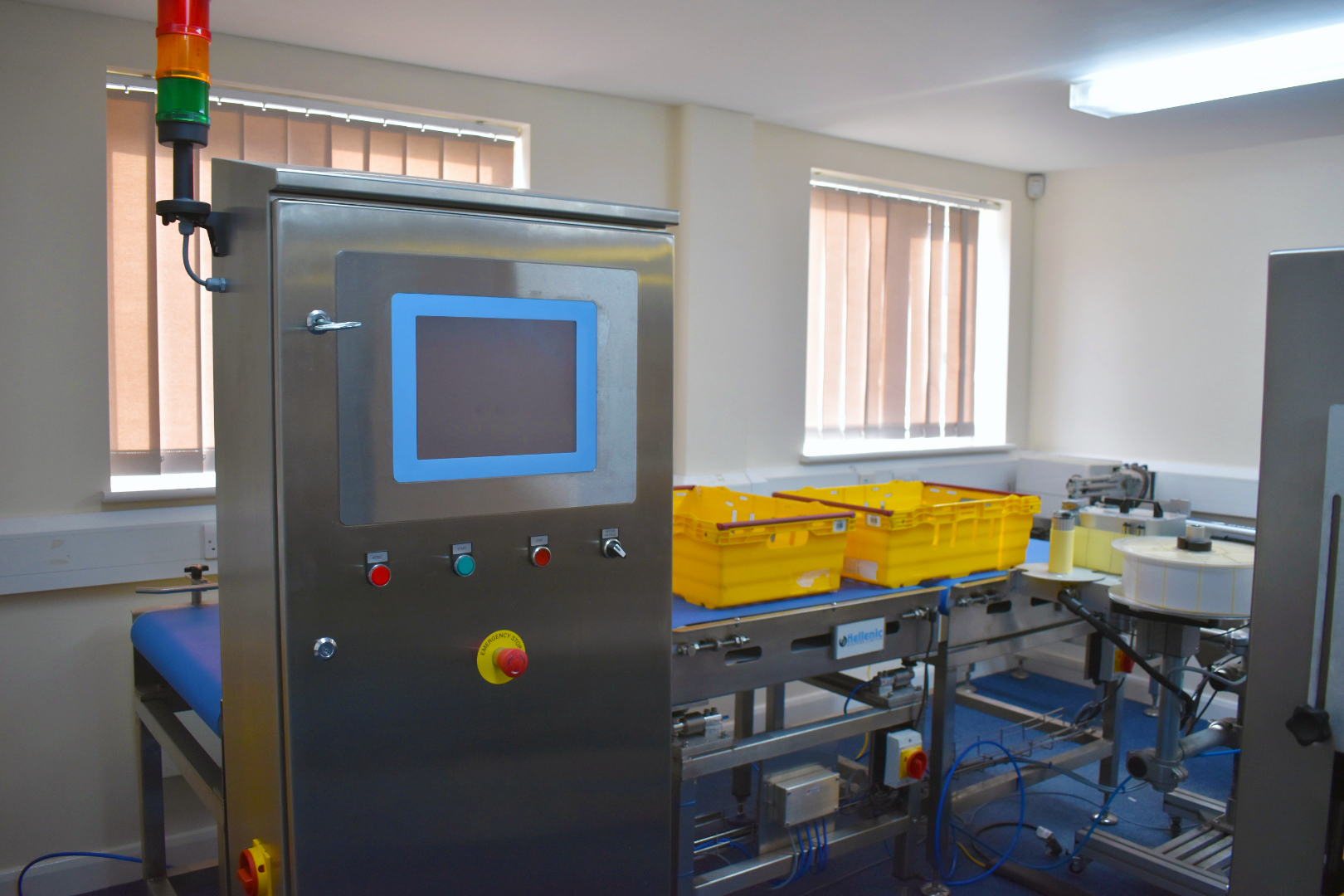
Our MES solutions connect software, shop-floor hardware and production data to help improve traceability, efficiency and control.
By connecting carcase and production data, processors can reduce paperwork and access information faster, helping to gain insight into where improvements can be made.
If you’re looking to improve traceability, yield visibility or production control across your beef processing operation, speak to our team on 01245 325 753 or email sales@hellenic.co.uk.
Frequently asked questions
What is an MES in beef processing?
An MES connects production data in real time, helping beef processors manage traceability, weights, grading and production activity.
How does an MES improve beef yield?
An MES helps processors track weights and production data, making it easier to spot losses, compare performance and improve yield.
How can an MES improve carcase traceability?
An MES links each animal to key processing data, helping maintain traceability from livestock intake through the kill line.
What does Hellenic’s CARCASE do?
Our CARCASE system manages livestock and kill-line data, including identification, grading, weights, inspections and movement reporting.